ChatGPT price in Nepal: why dollar billing is the real problem
ChatGPT's dollar pricing and card requirement make it awkward to pay from Nepal. Here's why, and what paying in NPR with eSewa or Khalti looks like instead.
By AiFevo Team ·
Quick answer: ChatGPT Plus is billed in US dollars and requires a card that can be charged internationally, which many people in Nepal either don't have or find inconvenient because the rupee cost shifts with the exchange rate every month. Apps priced directly in NPR with eSewa, Khalti or bank QR payment avoid this problem entirely. See current NPR pricing on the pricing page.
Ask someone in Nepal why they haven’t subscribed to ChatGPT Plus, and the answer is rarely “I don’t think it’s useful.” It’s almost always some version of “I don’t have a card that works for it,” or “the price keeps changing and I don’t know what I’m actually paying.” Those are legitimate, common problems, and they’re worth understanding properly before you decide what to do about them.
Why ChatGPT’s dollar pricing is a real pain point here
Not every Nepali bank card can be billed internationally
A lot of standard debit cards issued in Nepal simply don’t support international, dollar-denominated recurring charges. Even cards that technically can often come with a monthly dollar limit that a single AI subscription can eat into, leaving less room for anything else you might want to buy online.
The rupee price moves every single month
Even when the card works, you’re not paying a fixed rupee amount. You’re paying a fixed dollar amount, and the number of rupees that comes out of your account shifts with the exchange rate. One month it might be a little more, the next a little less. For a student or a small business trying to budget, that unpredictability is its own kind of annoying, even if the swings are usually small.
Failed payments are confusing to debug
When an international card payment fails from Nepal, the error message is rarely helpful. Is it the bank blocking it? A limit issue? A temporary card restriction? Most people never find out, they just give up.
There’s no local payment option at all
ChatGPT doesn’t offer eSewa, Khalti or a bank QR as a payment method. If you’re used to paying for literally everything else this way, from your phone recharge to your electricity bill, having to go find or activate a dollar-capable card just for one subscription is a genuine extra step most people would rather skip.
None of this is a criticism of ChatGPT as a product, its models are genuinely capable. It’s specifically about how hard OpenAI makes it to pay from Nepal, which is a billing decision, not a quality one.
What a Nepal-friendly alternative looks like instead
The fix isn’t complicated: price the product in Nepalese rupees from the start, and accept the payment methods people already use every day.
That’s the approach AiFevo takes:
- Prices are set in NPR, not converted from dollars at checkout. You know the exact rupee number before you pay, and it doesn’t drift with the exchange rate week to week.
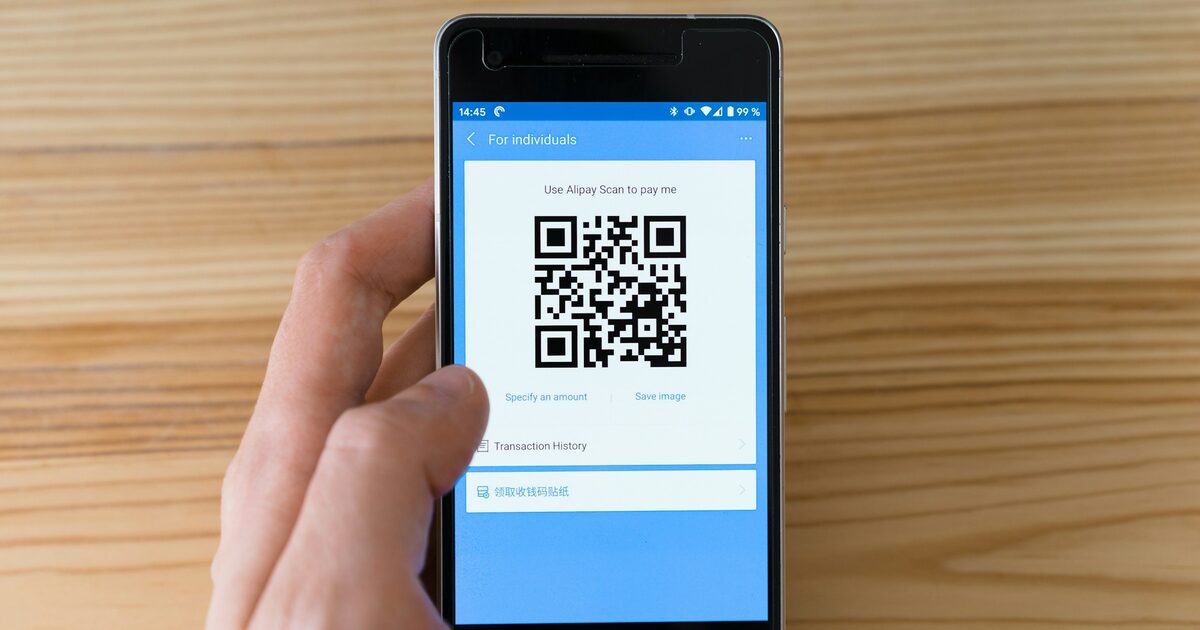
- Payment is by QR code, through eSewa, Khalti or a bank transfer. You scan, you pay, you upload a screenshot of the confirmation, and the team activates your plan.
- Plans never renew automatically. There’s no recurring charge quietly hitting your card every month, and nothing to remember to cancel. When your plan’s time is up, you drop back to the free plan until you choose to pay again.
We go through the exact steps, screen by screen, in our guide on paying for AI in Nepal with eSewa, Khalti or your bank. If you’re brand new to this kind of app in general, our beginner’s walkthrough is a good place to start first.
What you actually get for it
We’re deliberately not putting specific numbers on this page, because prices and what’s included can change, and the only place that’s guaranteed to be accurate is the pricing page itself. But broadly, a paid plan on AiFevo adds things like:
- a larger daily or monthly allowance than the free plan,
- access to more AI models, including premium ones from several makers (not just one),
- web search with sources you can check,
- the ability to attach PDFs, documents and photos to your questions,
- and creating or editing images in Image Studio.
The free plan, by comparison, needs no card at all and gives you a daily message allowance on a handful of everyday models, which is enough to decide whether you even want to pay for more. You can try AiFevo free before worrying about any of this.
A fair way to think about your options
If you already have a dollar-capable card and the moving exchange rate doesn’t bother you, there’s nothing wrong with paying ChatGPT directly, you lose nothing by sticking with it. The decision point is really: do you want a fixed rupee price, paid the way you already pay for most things, with no card friction at all? If yes, that’s exactly the gap apps priced in NPR are built to fill.
“Dollar card chaidaina, QR scan garera nai payment garna sakincha, jasto eSewa bata mobile recharge garne tarika ma.”
That’s genuinely the whole idea. Nothing more exotic than paying the way you already pay for your phone top-up.
Frequently asked questions
Why does ChatGPT Plus cost different amounts in rupees each month?
Because it’s billed in US dollars, and the number of rupees your card is charged depends on the exchange rate at the time of billing. The dollar amount itself usually stays fixed, but what leaves your account in rupees can shift slightly from month to month.
Can I avoid needing an international card entirely?
Yes, by using an app that’s priced directly in Nepalese rupees and accepts local payment methods like eSewa, Khalti or bank QR, instead of one that only bills in dollars through a card. AiFevo works this way; see the exact steps.
Is an NPR-priced AI app cheaper than ChatGPT Plus?
It depends on the plan and what’s included, and prices can change, so the honest answer is to check current pricing directly rather than trust an old number anywhere online, including this page.
Do I have to pay anything to start?
No. You can create a free account and use a daily message allowance with no card needed at all. Paying only becomes relevant if you want more models, web search, uploads or image creation.
What happens if I stop paying?
If you’re on a plan priced in NPR with no auto-renewal, like AiFevo’s, you simply move back to the free plan once your paid time runs out. Nothing is charged without you actively choosing to pay again, so there’s no subscription to cancel.